We develop intelligent design software for structural engineers.
Discover our solutions!
We develop intelligent design software for structural engineers.
Discover our solutions!
Construction details bring together aesthetic, structural and building-physics requirements. In addition to structural load transfer, aspects such as moisture protection by design, acoustic performance, thermal insulation, fire protection and connection detailing often have a significant influence on the architectural appearance of a detail. Our detail catalogue supports you in addressing these requirements.
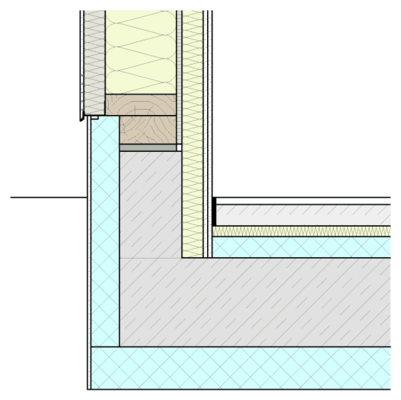
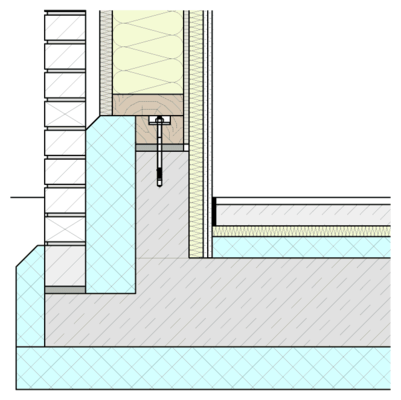
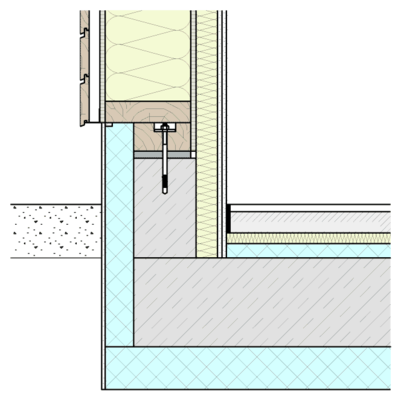
The design of the building base connection is essential for the durability and long-term quality of a timber building. Protecting timber from splash water through appropriate detailing requires sound technical knowledge. To support you in designing base details, we provide additional technical literature and a range of construction solutions.
In April 2015, Holzforschung Austria published a guideline for the design and construction of base connections in timber buildings. We highly recommend this publication. You can find the guideline here:
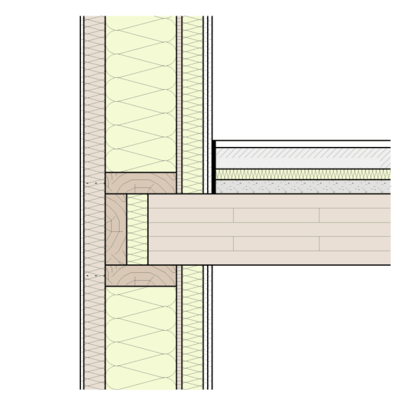
The design of timber floor details is influenced in particular by acoustic and fire-safety requirements where adjacent rooms or areas belong to different occupancy units. The dataholz.eu website by Holzforschung Austria provides extensive additional information.
The online catalogue provides comprehensive technical information on timber and wood-based products, building materials, building components and construction joints for timber construction.
Visit the website: dataholz.eu
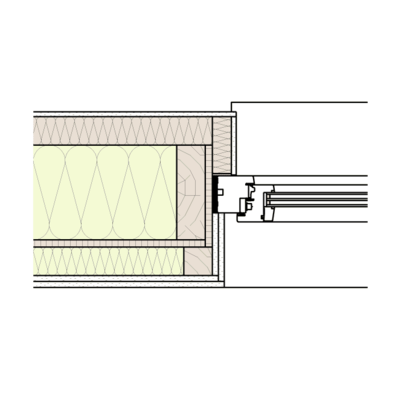
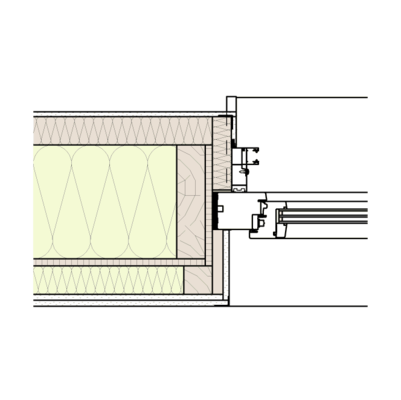
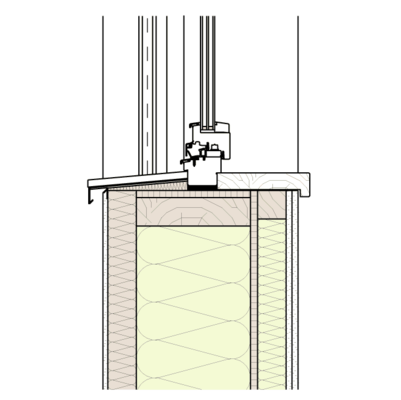
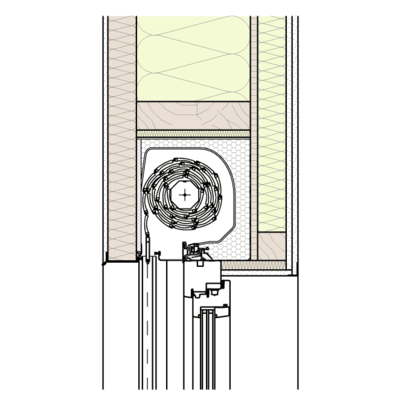
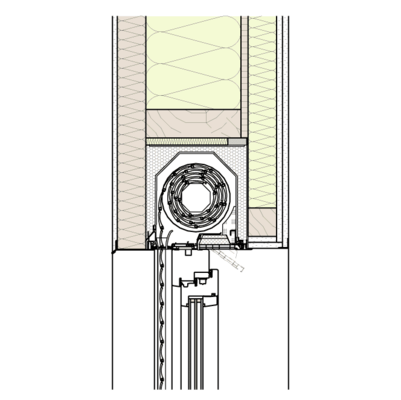
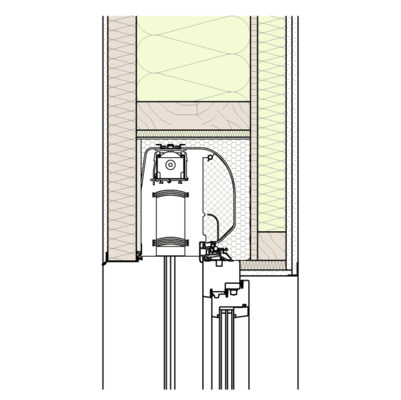
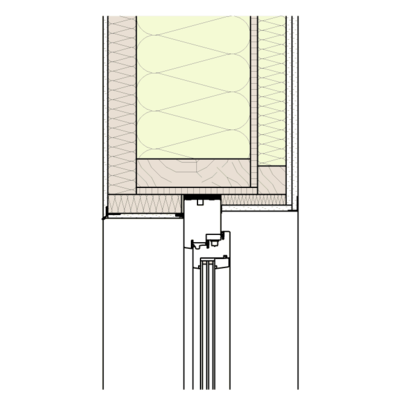
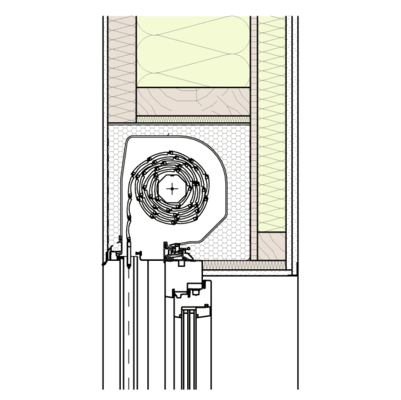
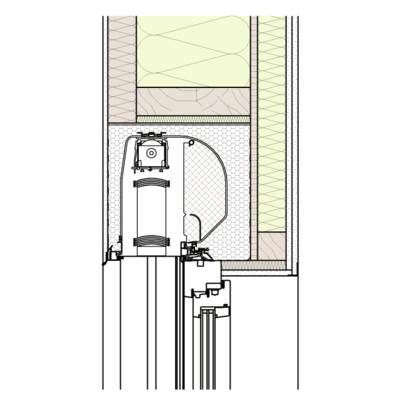
Weathertight on the outside, airtight on the inside. The principle sounds simple, but how should roller shutter boxes be integrated into timber-frame construction? What are the benefits of insulating the window reveals? We provide construction details including detailed thermal-bridge calculations, allowing you to understand the interaction of the individual building components.
A highly insulated building envelope requires carefully designed connection details. We recommend roller shutter boxes with external maintenance access. This avoids joints and penetrations through the airtight layer and reduces thermal bridging by allowing improved insulation around roller shutter and external blind boxes.
Flat roofs are widely used in contemporary architecture. Due to their form, they are generally designed with only a slight roof pitch. In timber construction, a minimum roof slope of 2% should generally be maintained. Deflection of the load-bearing structure due to snow loads and imposed loads, as well as creep effects and permissible dimensional tolerances, must also be taken into account. Due to the low roof pitch, these roofs are often designed as unventilated constructions. A sound understanding of the hygrothermal behaviour of unventilated roof assemblies is essential to ensure durable roof constructions. The following design guidance will help you select an appropriate roof build-up.
Holzforschung Austria provides support for the design of flat roofs and offers detailed technical information on dataholz.eu. A guideline uses six short questions to guide you towards suitable roof build-ups.
In Germany, Informationsdienst Holz is well known for its high-quality publications on timber as a construction material. It also provides an excellent practical guide to the design of flat roofs in timber construction. A new edition of the publication “Flachdächer in Holzbauweise” (Holzbau Handbuch, Series 3, Part 2, Issue 1) was published in January 2019.